The Power of Custom-Branded Merchandise: Elevate Your Brand and Empower Your Team
Branded merchandise does two jobs at once: it keeps your brand visible outside the office and it gives your team something shared. How to choose items that do both, and what to avoid.
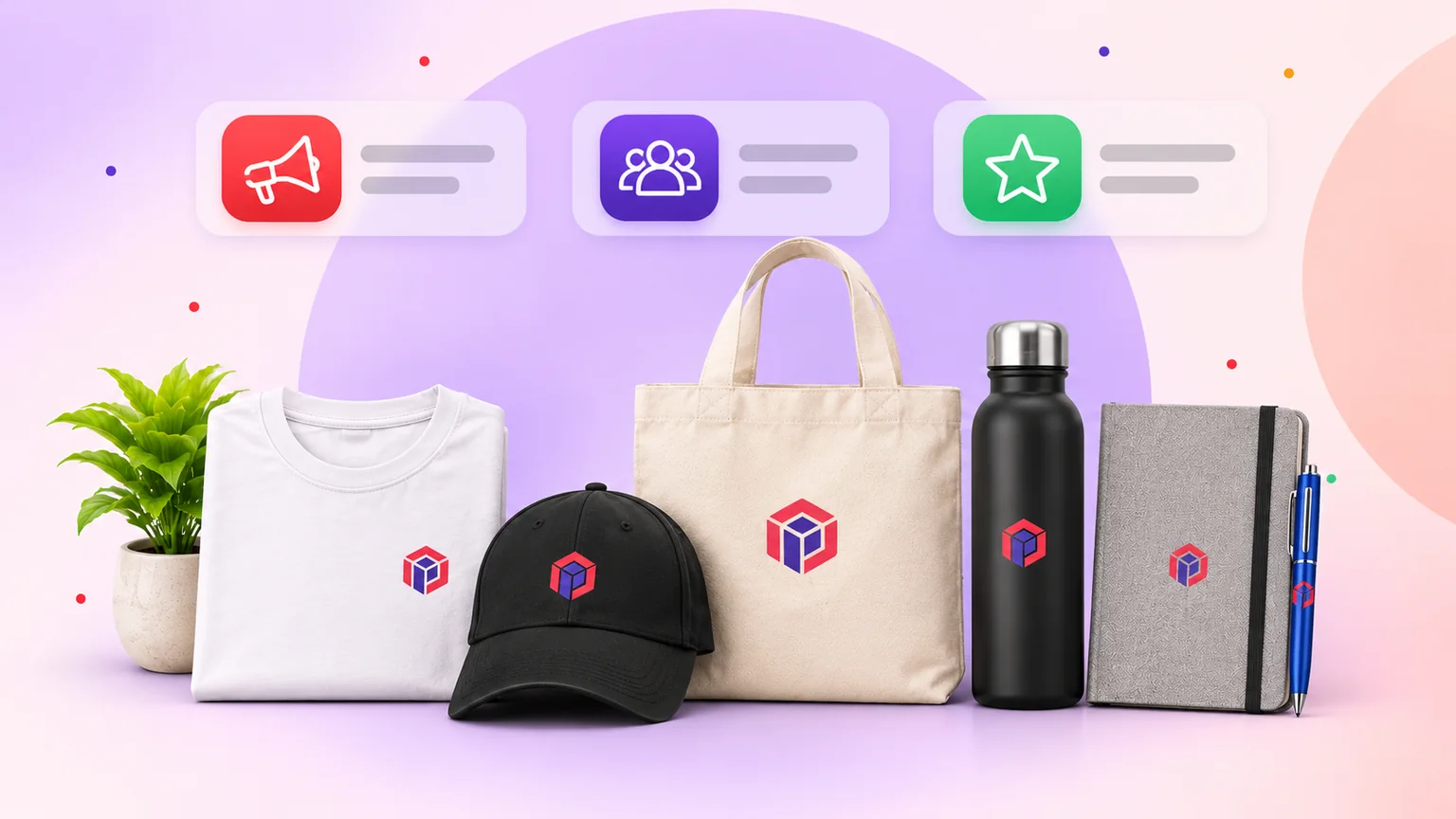
- Published:
- 31 March 2025
Branded merchandise is one of the few marketing spends that keeps working after the campaign ends. A good bottle or hoodie with your logo stays in use for months, in places your ads never reach. It also does something ads cannot do: it gives the people inside the company something they share.
Those are two different jobs, and the best merchandise programmes plan for both.
Job one: brand visibility
Everyday items carry your logo into everyday places. A notebook on a client's desk, a tote bag on the metro, a T-shirt at a weekend event. Each sighting is small, but they add up and they cost nothing after the first purchase.
Three things decide whether an item earns that visibility:
- It gets used. A useful item is seen hundreds of times. A novelty is seen once.
- The branding is well done. A crisp, correctly sized logo in the right colours reads as a confident brand. A stretched or faded one does the opposite.
- It is consistent. The same logo version, colours and placement across apparel, drinkware and stationery make the set look like one brand rather than a mix of vendors.
Job two: a team that feels like one
Inside the company, merchandise works as a shared identity. A new hire who receives the same hoodie the rest of the team wears is being told, without a speech, that they belong. The same items mark moments: joining, a product launch, an offsite, a work anniversary.
Merchandise also recognises people. A quality gift tied to a specific achievement is remembered longer than a generic voucher; we compare the two in gift cards vs physical gifts.
Choosing the right items
Start from who will receive it and where they will use it, not from the catalogue.
- Apparel (T-shirts, hoodies, caps) for teams, events and campus hiring. Fabric and fit matter more than the print.
- Drinkware (steel bottles, mugs, tumblers) for almost everyone. High daily use and a good branding surface.
- Stationery (notebooks, pens, desk organisers) for office teams and clients.
- Tech accessories (power banks, wireless chargers, mouse pads) when the budget allows a higher-value item.
- Eco-friendly options (bamboo, jute, steel) when sustainability is part of how you present the company.
Then check three things before ordering: the quality of the unbranded product, the branding method suited to its material, and how the logo looks on it. Our guide to logo branding methods explains which method suits which surface, and the free Mockup Studio shows your logo on the actual product before anything is produced.
Common mistakes
- Buying on unit price alone. An item nobody uses has no cost per impression, because it makes none.
- Too many items. One good item beats five weak ones.
- Ignoring sizes for apparel. Collect sizes before ordering; do not guess.
- Leaving it late. Production and delivery need lead time, more so before festivals.
Where to start
See the full range on the products page, or the apparel-specific advice in bulk T-shirt and apparel printing. If you want merchandise available to your team all year rather than in one-off orders, read about employee swag stores.