Decoding the Latest Trends in Employee Onboarding Kits (India & Global)
What is actually changing in onboarding kits: personal notes, fewer but better items, work-ready tech, wellness, digital guides and sustainability, and how to decide which trends are worth your budget.
- Published:
- 30 March 2025
The first few days decide how a new hire feels about the job they just accepted. A welcome kit is the one part of onboarding they can hold, so it carries more of your culture than its cost suggests. The kits themselves are changing, in India and elsewhere, and the changes point in the same direction: fewer throwaway items, more thought.
This is a short map of what is shifting and how to decide which of it deserves your budget.
What is changing in India: useful first, branded second
A personal welcome. A short letter from the manager or a senior leader is the cheapest item in the box and usually the one people keep. It works because it is specific: the person's name, their team, what happens in week one.
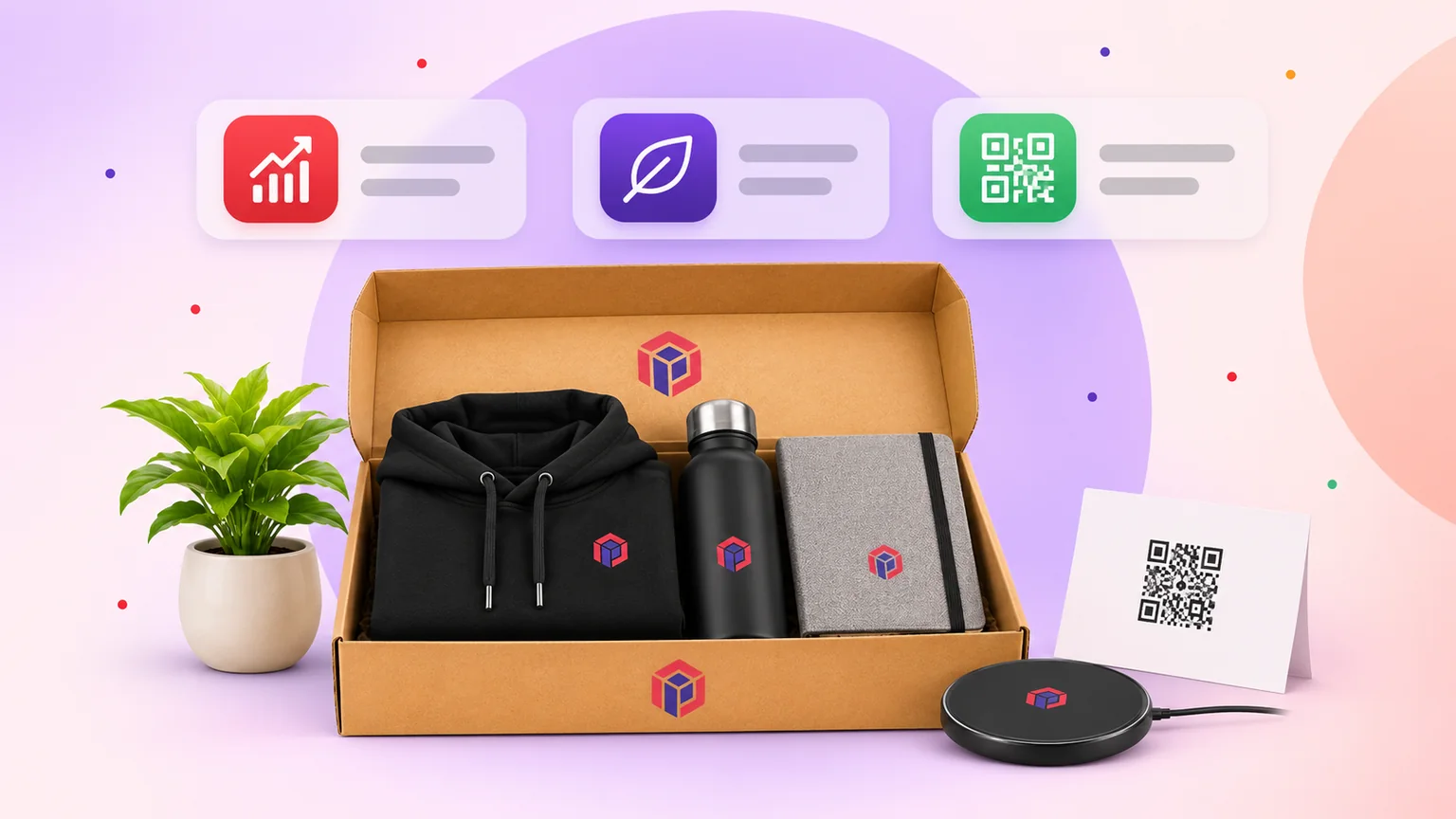
Branded items people actually use. T-shirts, hoodies, steel bottles, notebooks and pens remain the core of most kits. The shift is in quality. Teams now prefer three good items over eight forgettable ones, because an item that gets used every day keeps your brand in view and an item that goes in a drawer does not.
Work-ready tech. Mouse pads, wireless chargers, power banks and laptop sleeves are showing up more often. They remove small frictions on day one and say that the company planned for the person's arrival. Our tech corporate gifts guide covers what is worth including.
Wellness and comfort. Reusable bottles, a desk plant, a good mug. Small signals that the company cares how the working day feels.
Digital guides alongside the box. A QR code in the kit that opens a welcome video, a team introduction or a first-week plan. The printed card stays simple and the content behind it can be updated at any time.
What is changing globally: personal, ongoing, sustainable
Personalisation by person, not just by company. Names on the bottle or notebook, kit variants by role or location, a note that could only have been written for that one hire. Individual names cost more to produce than a single logo, so most teams personalise one item and keep the rest standard.
Gifting that continues after week one. Some companies spread the welcome across the first months: a kit before joining, something small at 30 days, a milestone gift at one year. The first box stops being a one-off and becomes the start of a rhythm. See our notes on work anniversary gifts.
Sustainability as a default. Reusable drinkware, bamboo and jute, recycled paper, less plastic in the packaging. Younger teams in particular notice when a kit is full of things designed to be thrown away. Our eco-friendly corporate gifts page lists what is available.
Which trends are worth acting on
Not every trend suits every team. A practical order of priority:
1. Get the basics right. Correct sizes, a clean logo, a note with the person's name, and a box that arrives before day one. Most disappointing kits fail here, not on trendiness.
2. Upgrade one item. Put the extra budget into the single thing people will use daily, usually the bottle or the hoodie.
3. Add one personal touch. A named item or a handwritten-style card.
4. Then consider tiers. Different kits for interns, lateral hires and leadership, if your hiring volume justifies it.
If you hire in monthly batches, plan the kit once and reorder it; our guide to onboarding kits for monthly hiring batches explains how.
Where to start
Browse the ready welcome and onboarding packs, or pick items yourself in Build-a-Box against a per-head budget. The employee onboarding kits page explains how ordering, branding and delivery work, and the onboarding kit checklist is a good companion when you are finalising contents.